Description
TES TECHNIFOR, specialist in micropiles and ground anchors
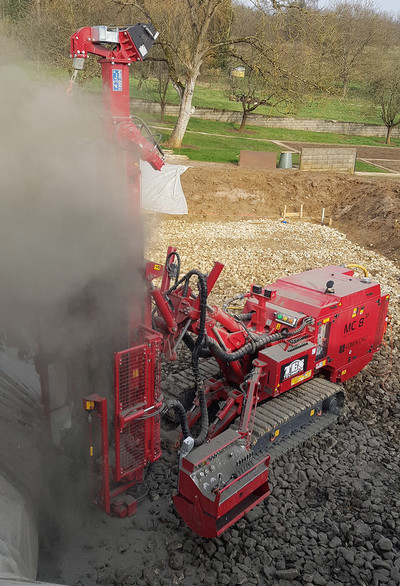
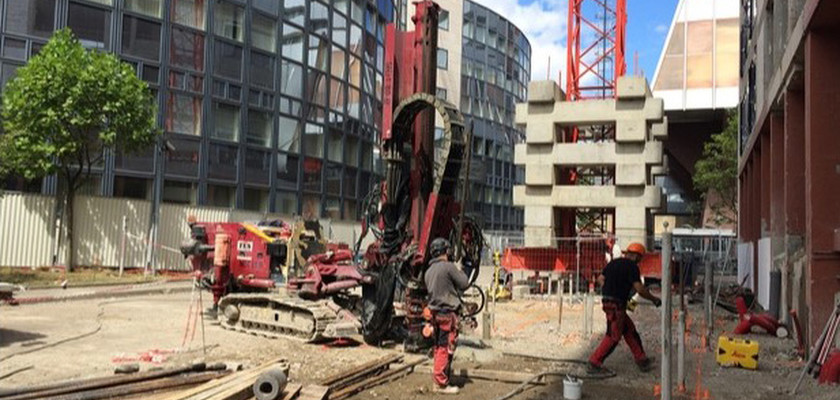
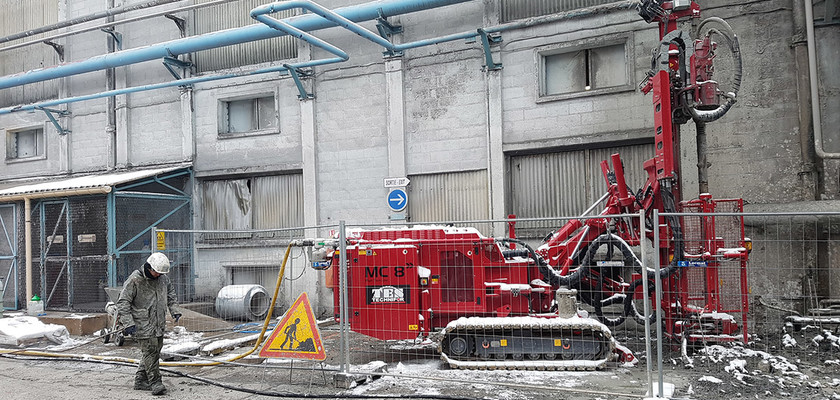
TES TECHNIFOR carries out micropile, ground anchor and specialist drilling works for new construction, rehabilitation, extension and underpinning projects.
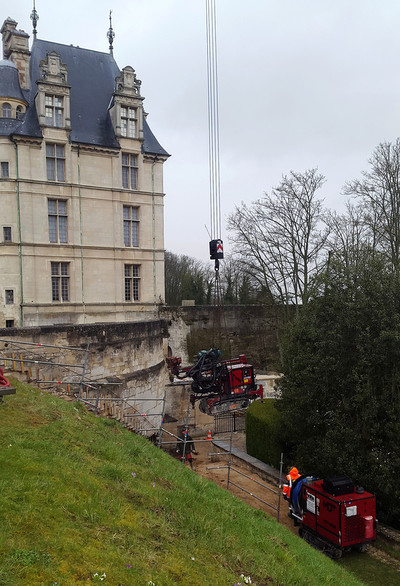
We operate particularly where ground conditions, structural loads, the proximity of existing structures or access constraints require the use of deep foundation or anchoring solutions.
Our teams install Type II, III and IV micropiles, as well as passive and active ground anchors, adapting drilling and grouting methods to the geotechnical characteristics of each project.
TES TECHNIFOR holds the following qualification: QUALIBAT 1232 – Type III and IV Micropile Drilling – Advanced Technical Level.
When are micropiles required?
Micropiles are used to transfer structural loads to soil layers with suitable mechanical properties when shallow foundation solutions are not appropriate.
They can be used in particular for:
- underpinning existing buildings or structures;
- increasing load capacity for extensions, additional storeys or changes of use;
- sites where near-surface soil layers have insufficient bearing characteristics;
- high loads or loads located close to existing foundations;
- transferring compression or tensile forces;
- certain types of expansive or unstable soils;
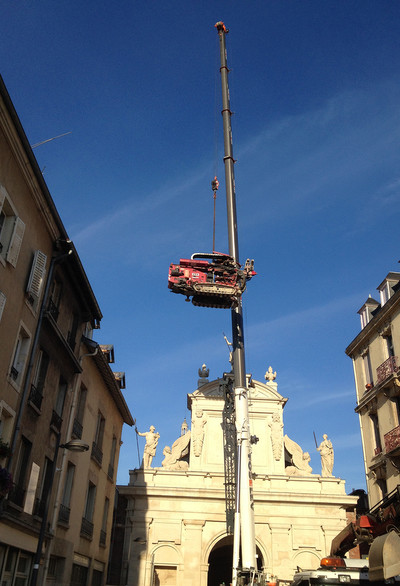
- sites with significant access, headroom or environmental constraints;
- situations where conventional deep foundation equipment cannot be used or would be difficult to deploy.
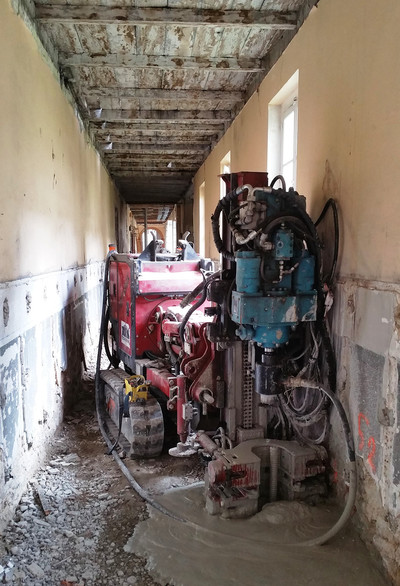
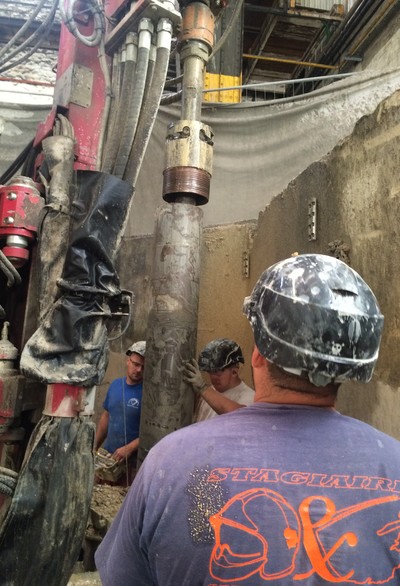
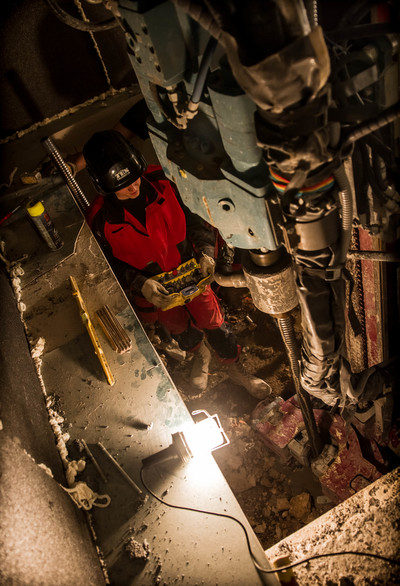
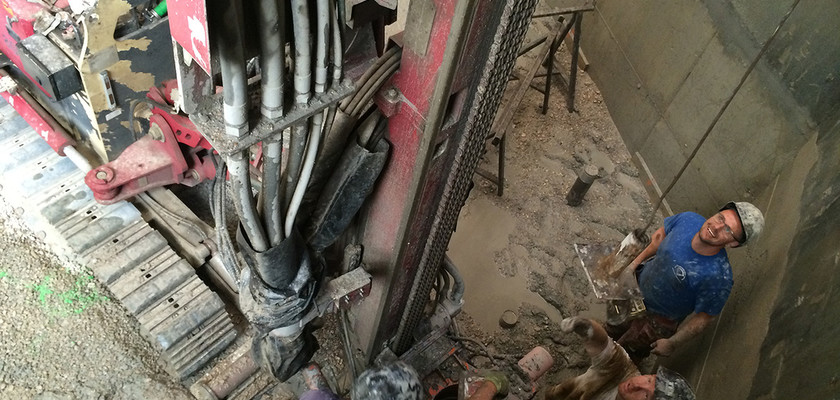
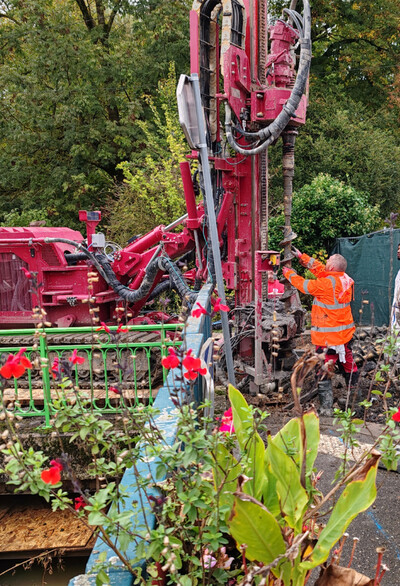
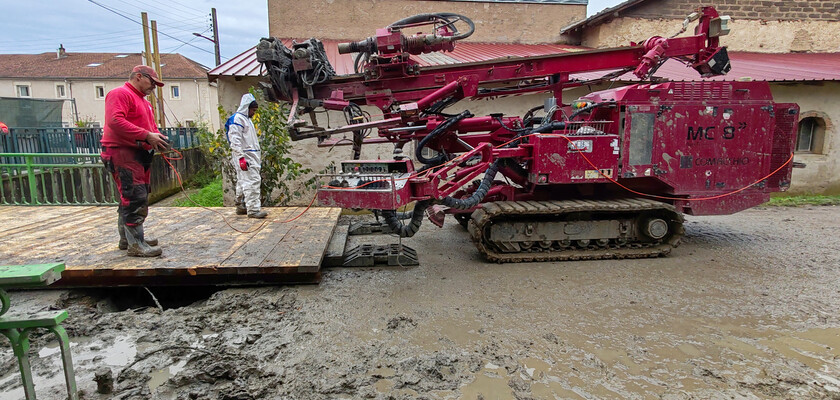
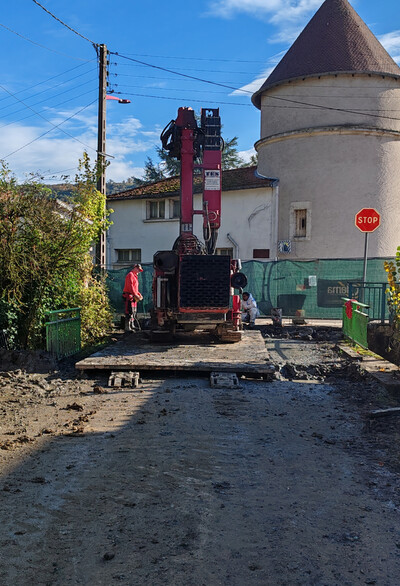
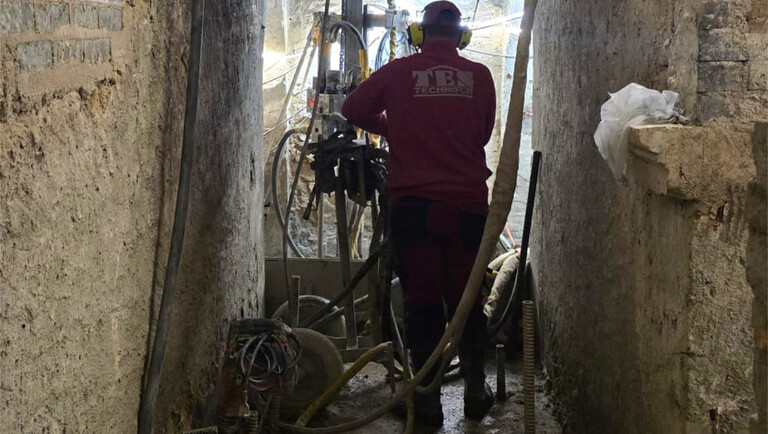
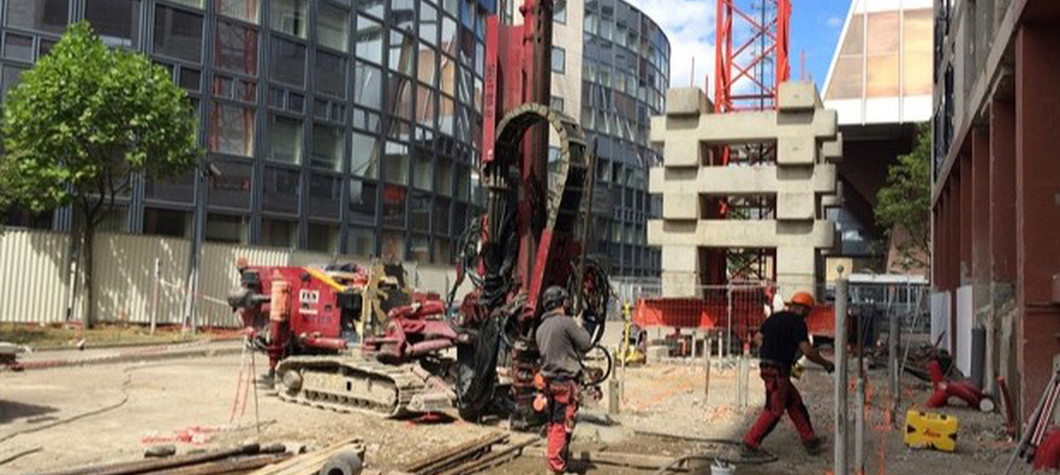
Compact drilling rigs make it possible to carry out works inside existing buildings and in environments with difficult or restricted access.
What is a micropile?
A micropile is a small-diameter deep foundation element consisting of steel reinforcement installed in a borehole and bonded to the surrounding ground by grout or mortar injection.
The reinforcement may consist of steel tubes or bars.
Micropiles transfer structural loads to the ground primarily through shaft friction along the grouted bond length.
Depending on the project requirements, they can work in either compression or tension.
The drilling diameter, borehole depth, reinforcement and grouting method are determined according to the geotechnical characteristics of the ground and the loads to be transferred.
What types of micropiles does TES TECHNIFOR install?
TES TECHNIFOR installs Type II, III and IV micropiles.
Type II micropiles
The borehole is fitted with steel reinforcement and then filled with mortar or grout by gravity or at very low pressure.
Type III micropiles – MIGU
Type III micropiles use Injection Globale et Unitaire – IGU (Global and Single-Stage Injection).
The borehole is fitted with reinforcement and a system allowing subsequent injection. Once the initial sheath grout has set and been fractured, the bond zone is globally pressure-grouted.
Type IV micropiles – MIRS
Type IV micropiles use Injection Répétitive et Sélective – IRS (Repeated and Selective Injection).
Grouting can be carried out successively in different sections of the bond zone using an appropriate injection system.
The choice between these techniques depends in particular on the geotechnical conditions, the loads to be transferred and the project requirements.
How are micropiles designed?
Micropile design is based on a combined analysis of the ground conditions, the structure and the construction constraints.
The design studies are based in particular on the geotechnical report, foundation drawings and structural load calculations.
Depending on the characteristics of the structure, the design checks may include:
- geotechnical capacity of the grouted bond zone;
- borehole diameter and depth;
- Ultimate Limit State (ULS) and Serviceability Limit State (SLS) checks;
- structural resistance of the steel reinforcement;
- compression and tensile forces;
- allowance for corrosion where required;
- elastic shortening or elongation of the micropile;
- horizontal forces and bending moments applied at the pile head;
- buckling verification;
- transfer of forces between the micropile and the structure.
TES TECHNIFOR has an Engineering & Methods Department capable of integrating technical requirements and construction methods into the preparation of the works.
Underpinning with micropiles
Micropiles are particularly suitable for underpinning existing buildings.
This technique can be considered when an existing structure needs to support additional loads, when its foundations require strengthening or when ground conditions require loads to be transferred to more suitable soil layers.
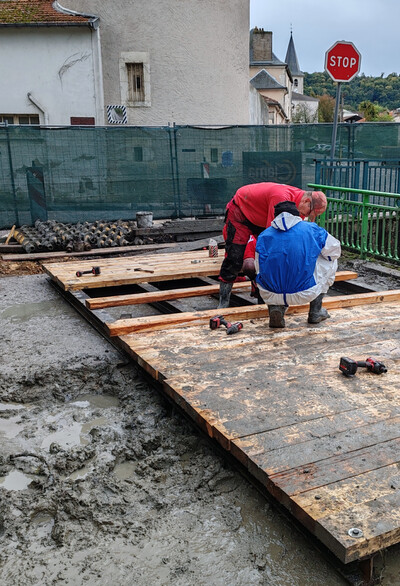
The constraints associated with existing structures — restricted access, limited headroom, maintaining building operations or working in close proximity to existing structures — require specific methods and equipment.
TES TECHNIFOR adapts its drilling rigs and working methods to the specific constraints of each project.
Passive and active ground anchors
TES TECHNIFOR also installs passive and active ground anchors designed to transfer tensile forces into the ground.
They can be used for:
- anchoring structures and foundation blocks;
- structural stabilisation;
- resisting uplift forces;
- stabilising structures subjected to horizontal forces;
- certain foundations subjected to high loads.
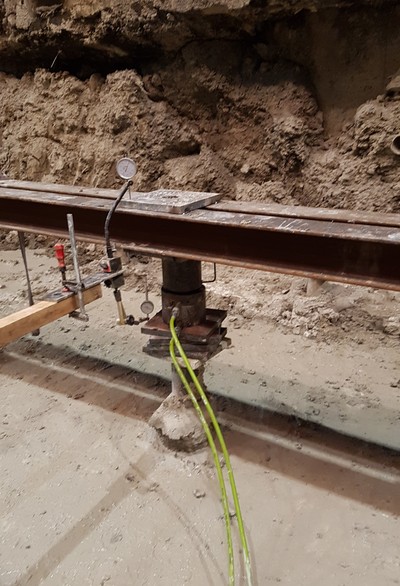
Active ground anchors can be prestressed to apply and control the force transferred to the structure.
Ground anchor installation requires expertise in drilling, bonding, grouting and stressing operations.
Drilling methods adapted to ground and site conditions
The characteristics of a borehole depend on more than its diameter or depth.
Ground conditions, the possible presence of groundwater, environmental constraints and project requirements also determine the appropriate drilling method.
TES TECHNIFOR adapts its methods to the conditions encountered and can use, among others:
- down-the-hole hammer drilling with temporary casing;
- auger drilling;
- self-drilling systems;
- sacrificial or retrievable tricone bits.
This flexibility enables us to work on a wide variety of projects, ranging from underpinning existing buildings to several hundred boreholes for industrial or energy installations.
More than 1,100 micropiles and ground anchors completed in 2024
TES TECHNIFOR's drilling activity represents several thousand metres of drilling each year.
In 2024:
- 1,151 micropiles and ground anchors installed
- 14,483 linear metres of drilling
These projects formed part of an overall specialist construction activity representing more than 50,000 production hours in 2024.
Selected micropile, ground anchor and specialist drilling projects
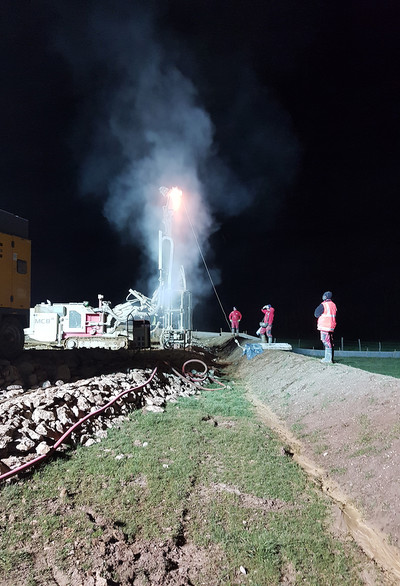
Photovoltaic car park – Abreschviller (57)
As part of the redevelopment of a former industrial site into a car park equipped with photovoltaic canopies, TES TECHNIFOR completed:
406 boreholes
2,500 linear metres of drilling
2 drilling rigs operating full-time
110 m³ of cement grout for IGU grouting
30 tonnes of reinforcement
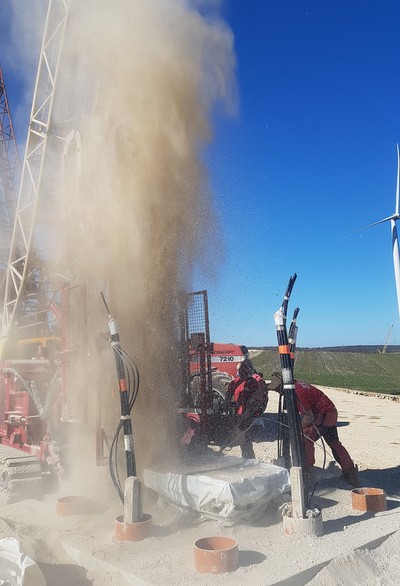
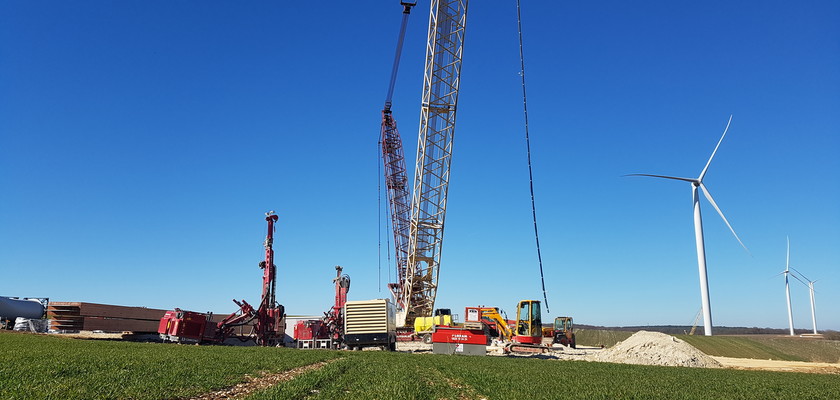
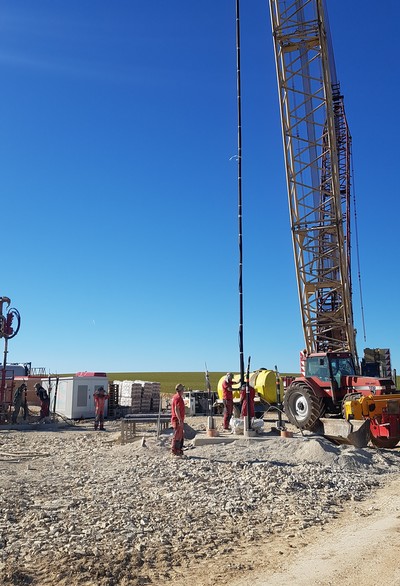
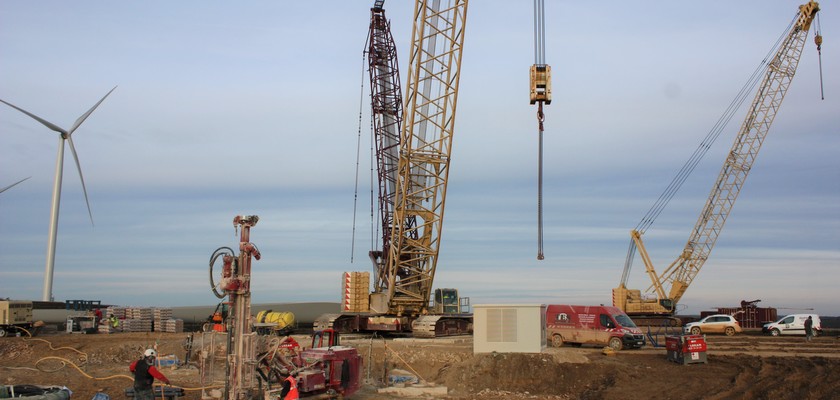
Wind farm – Essey-les-Ponts (52)
For the construction of three experimental wind turbines founded on concrete blocks anchored into the ground, TES TECHNIFOR completed:
96 ground anchors
DSI 11T15 P2 cable anchors
Prestressing force between 136 and 146 tonnes per anchor
Approximately 2,800 linear metres of Ø250 mm drilling
300 tonnes of cement grout
50 tonnes of prestressing cables
Agrivoltaic canopies – Verdonnet (21)
As part of an agrivoltaic canopy project on agricultural land, TES TECHNIFOR completed:
180 boreholes, including 40 P2 ground anchors
1,200 linear metres of drilling
2 drilling rigs operating full-time
70 m³ of cement grout
20 tonnes of reinforcement
Why choose TES TECHNIFOR?
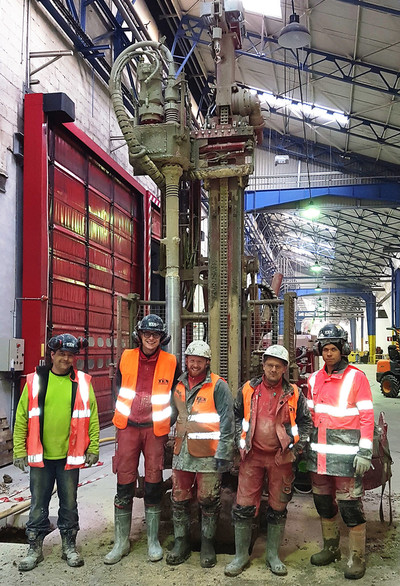
For more than 40 years, TES TECHNIFOR has specialised in special construction works.
Our organisation brings together within a single company the expertise required for the engineering and execution of complex projects:
Structural assessment
Micropile and ground anchor drilling
Structural strengthening and repair
Concrete sawing, core drilling and cutting
This combination of expertise is particularly valuable for rehabilitation and underpinning projects, where several specialist techniques often need to be combined.
TES TECHNIFOR operates primarily throughout north-eastern France, including Reims, Metz, Nancy and Strasbourg, and has the personnel and equipment required to carry out projects ranging from a few micropiles to campaigns involving several hundred boreholes.
Does your project require micropiles or ground anchors?
Do you have a geotechnical investigation, structural load calculations, foundation drawings or tender documents?
Send us your project information.
Our Engineering & Methods Department can assess the site constraints and determine the most appropriate construction solutions.